In December 2024 Lynatox presents a new development in environmental technology
By combining state-of-the-art photocatalysis with an innovative UV technology, the breakdown of pollutants such as lindane and PCB is accelerated considerably and carried out more efficiently than ever before.

Innovative process for maximum effectiveness
The latest generation of Lynatox technology follows a three-stage breakdown principle that enables almost complete mineralisation of the pollutants:
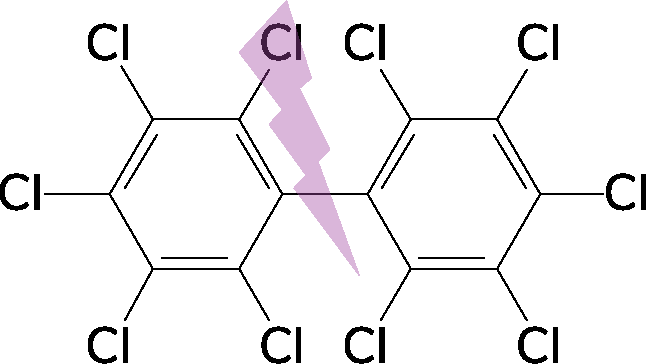
- Innovative UV technology: High-energy UV radiation effectively splits chlorine compounds and accelerates the breakdown of PCB or lindane into reactive intermediates.
- Photocatalytic reaction (TiO₂): Highly reactive hydroxyl radicals (·OH) are formed, which attack organic compounds and convert them into simpler components.
- Chemical adsorbent: Finally, the hydrogen chloride (HCl) that is formed is converted into a salt, which is intended to prevent harmful emissions.
Stage 1: Vacuum UV
Breaking up stable organochlorine compounds
Stage 2: Photocatalysis
Breakdown / mineralisation of the molecular fragments
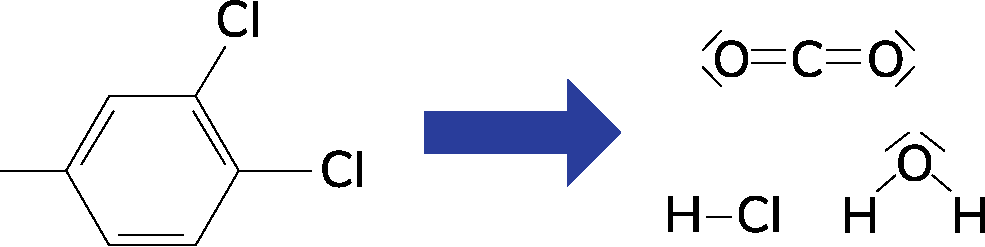
Stage 3: Chemical sorption
Adsorption / breakdown of hydrogen chloride and residual ozone
In practice: field trial in Dortmund
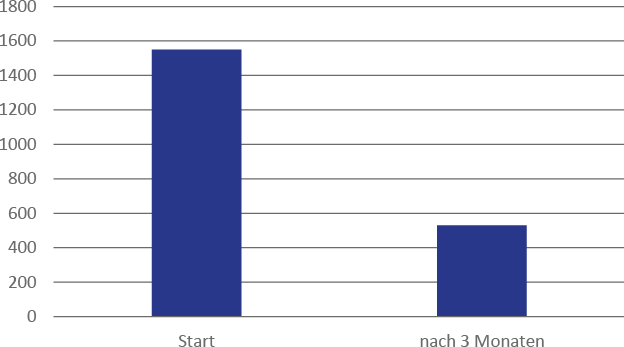
A recent field trial in a 500 m³ hall in Dortmund tested the new Lynatox generation. Equipped with two specially developed LRG-1200 PCB Edition units, the PCB concentration in the indoor air fell clearly within three months.
Aim: less pollutant exposure
With this development, Lynatox continues to work on improving indoor air quality. The aim of the new approach is the breakdown of hazardous pollutants in industrial and public spaces.
With this development Lynatox continues to advance its air purification technology.
Field trial: hall in Dortmund with a volume of 500 m³
Equipped with 2 x LRG-1200 PCB Edition
PCB concentration in ng/m³